Car Buffing vs Polishing: What’s the Difference?
The car buffing vs polishing debate is one issue that has baffled vehicle owners about the best choice to suit their demands. These two methods are all aimed at improving the appearance of your car; however, they are very different.
Buffing is known to work on the scratches, swirl marks, and surface flaws, whereas polishing is concerned with working on the finish and giving it that mirror-polished look. This understanding will assist in keeping your car’s paint work in good condition, extend its life and get a finish that you really desire.
What Is Buffing?
Buffing is the process of polishing or refining the surface by using a rotating pad or wheel that bears an abrasive compound. It removes scratches, swirls, and other cosmetic imperfections on metal, plastic, wood, and paint to improve the smoothness of the surface. That is why buffing is regularly used in car detailing to remove car paint oxidation as well as in furniture restoration to revive shine in wooden chairs, tables, and other furniture.
The paste you will employ for car buffing Perth will also depend on what you are using and how much you need to cut. Black emory, for example, is commonly used in the initial smoothing step, while green or white rouge works best to finish off since they leave a very good glow without excessive cut to remove small imperfections and scratches.
What Is Polishing?
Polishing refers to the action of making a surface very smooth by the use of a soft wheel or pad and a polishing compound. While buffing tends to have the goal of removing scratches and other imperfections, the goal of polishing is to offer a mirror finish. Common uses include the creation of a mirror-like finish on metal workpieces or jewellery, or restoring gloss and lustre to fine furniture.
Polishing compounds come in all shapes and sizes and are chosen depending on the amount of abrasion required and the surface material to be polished. Brown Tripoli, for example, is applied to softer metals, whereas blue polishing compound is applied to plastics and man-made materials.
Car Buffing vs Polishing: Key Differences, Advantages, and Applications
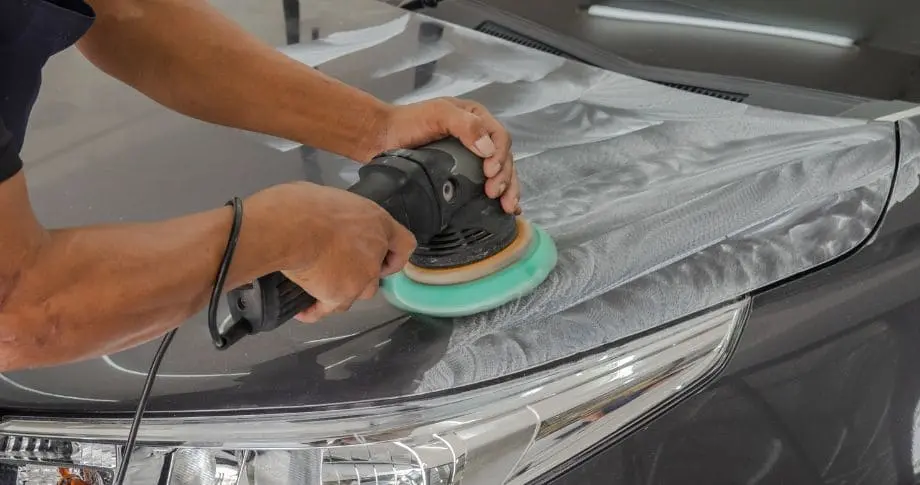
As far as the process of creating a high-gloss, shiny finish is concerned, two processes are widely used: buffing and polishing. These have very much alike-sounding names but are pretty different in terms of abrasiveness, application, and final finish. It is essential to know when and where to apply them so as not to cause damage and create the best finish. The significant differences are detailed below, along with the pros and cons of both.
Also Read: Which Car Detailing Package Is Right for You?
Level of Abrasion
1. Buffing
- More aggressive than polishing.
- Uses abrasive compounds to remove marks, scratches, and imperfections.
- Buffing services Perth work by cutting away a thin layer of the surface to create smoothness.
2. Polishing
- Less abrasive and softer compared to buffing.
- Relying on smoother abrasives to develop gloss.
- Designed to finish the surface without removing material.
Buffing’s Advantages and Disadvantages
Advantages:
- Best used to remove obvious scratches, swirl marks, or other surface imperfections.
- Creates a smoother base for finishing.
- Professional car buffing can greatly improve the appearance of battered or worn surfaces.
Disadvantages:
- Risk of leaving marks or distortions if the pressure is too great.
- It will remove a thin layer of material, which will not be suitable for all applications.
- Requires skill and control to avoid permanent damage. This is why buffing must be done by the best car detailing in Perth professionals.
Advantages and Disadvantages of Polishing
Advantages:
- Best suited for surfaces that are already quite smooth and need only enhancement.
- Produces a glossy, reflective, professional finish.
- Safer to use since it will not remove layers of material.
- Less prone to warp or ruin.
Drawbacks:
- Not as effective on deep scratches, dents, or excessive swirls.
- Best used as a final step rather than a fix.
- Will need to be buffed first if the surface contains severe flaws.
Car Buffing vs. Polishing
1. Surface Condition Makes a Difference:
For rough, scratched, or otherwise imperfect surfaces, professional buffing services Perth are better. Polishing is better for smooth surfaces that need only extra brilliance.
2. Desired Outcome:
Buffing is commonly chosen when the goal is to restore shine by removing scratches and swirl marks on car paint. Polishing is employed where the surface is already in good condition and only a glossy finish is needed.
Balance Between Abrasion and Finish 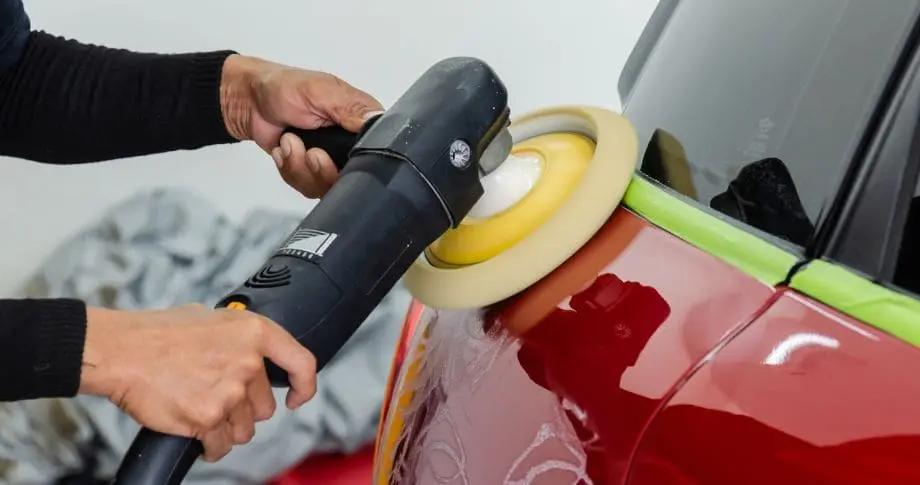
A car buffing service is focused on correction, while polishing is focused on refinement and enhancement. A combination of both processes, in most cases, produces the best result.
Both buffing and polishing done by good auto detailing services have their own advantages and disadvantages based on the material that you are working with, its pre-treatment condition, and whether you want a smooth or a high-gloss finish. The quality of the buffing or polishing compound that you use can have an impact on your expectations of the end product.
Final Thoughts
Buffing and polishing are not exclusive but are complementary to each other. Buffing is more of a defect repair, while polishing is more of a question of achieving brilliance and gloss. The choice ultimately depends on the type of surface you’re working on and the result you want. In many cases, using both car buffing service Perth first, followed by polishing, delivers the most professional and long-lasting outcome.
Also Read: Car Paint Protection Film: Everything You Need to Know
FAQs
1. Do I need buffing or polishing if I already have car paint protection Perth applied?
Answer 1:
Yes, even with car paint protection Perth, buffing or polishing may still be needed over time. Protection will slow down the wear, but scratches, swirls or oxidation may still be present. In these scenarios, professional service can be used to bring back the smoothness and shiny nature of the paint without damaging the protective layer.
2. What is the difference between paint correction Perth and normal buffing?
Answer 2:
Paint correction is a step that goes beyond regular buffing. Buffing removes small imperfections in the paint, whereas paint correction is a more refined multi-step process that removes deeper scratches, oxidation, and swirls. This guarantees an impeccable finish before applying protective coatings..
3. Should I polish even when I am using the best car paint protection Perth?
Answer 3:
If you’ve opted for the best car paint protection Perth, polishing is often performed beforehand to prepare the surface. Polishing will make the paint smooth and glossy, with better bonding of the protective coating and provide the results with extended longevity.
4. What is auto detailing paint correction, and what good is it?
Answer 4:
Auto detailing paint repair is a professional method applied in conjunction with buffing and polishing, using technologically advanced compounds to repair the paint of a vehicle to a near-new condition. It eliminates microscopic flaws and increases depth and brightness, usually done prior to the application of protective finishes.
5. Is it possible that automobile paint protection can substitute normal car wash and detailing services?
Answer 5:
No, automobile paint protection is not a replacement for upkeep. Even with a strong protective coating, you’ll still need car wash and detailing services to keep the finish clean, maintain gloss, and prolong the protection’s life.