Ceramic Coating VS PPF: Which One Should You Choose?
The choice between ceramic coating vs PPF (Paint Protection Film) is a crucial factor for preserving your vehicle’s value and shine. Each of them offers unique benefits and visual enhancement, yet they differ in terms of protection type, longevity, maintenance and costs. This guide explains how both of these options work as well as compares their strengths and limitations so that you can choose the most feasible vehicle paint protection for your vehicle.
What is a Paint Protection Film?
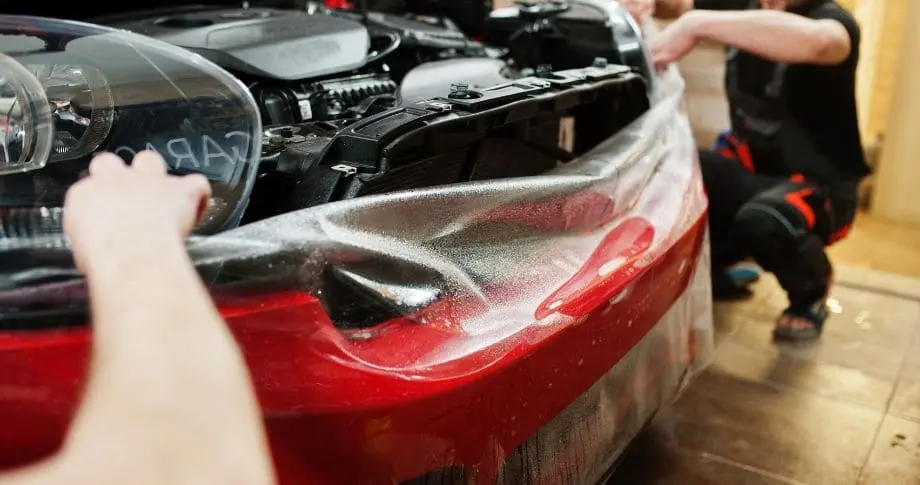
Paint Protection Film (PPF) is a transparent thermoplastic urethane film applied to a vehicle’s exterior paint. It is used to protect it against physical damage such as stone chips, scratches and road debris. PPF car detailing paint correction is extensively effective in high-impact areas such as the front bumper, hood, mirrors and wheel arches. Modern PPFs are optically transparent, highly conformable and often include self-healing top coats that protect from minor scratches and sunlight’s ultraviolet (UV) rays.
Some of the key attributes of PPFs are as follows:
1. Applied to targeted areas with professional precision
2. Absorbs impact from debris and abrasion
3. Often self-healing and highly durable
Also Read: Car Paint Protection Film: Everything You Need to Know
What is Ceramic Coating?
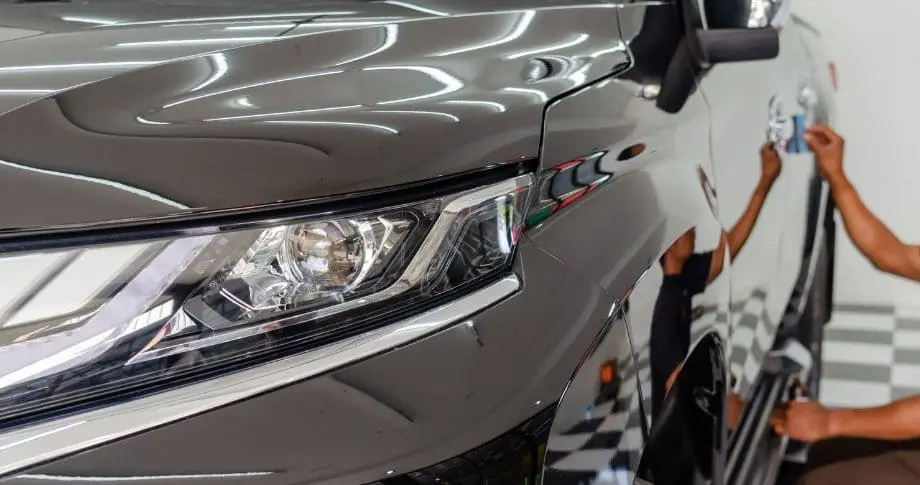
The ceramic paint protection for cars is a liquid polymer that chemically bonds with your vehicle’s paint surface to form a protective layer. These layers enhance the gloss of the car’s paint and are highly efficient at repelling contaminants. It significantly improves resistance to environmental damage, fading water spots and UV rays damage, along with making the surface easier to clean.
Also Read: How Ceramic Coating Can Protect Your Car’s Paint for Years
Comparative Overview of PPF vs Ceramic Coating
Here’s the side-by-side view of ceramic coating vs. PPF in terms of their overall strength to protect a car’s exterior paint:
| Factors | Paint Protection Film (PPF) | Ceramic Coating |
|---|---|---|
| Protection Type | Physical barrier against chips and scratches | Surface protection against environmental damage |
| Impact Resistance | Excellent | Limited |
| Hydrophobicity | Moderate | Strong |
| Gloss and Appearance | Maintains original surface | Significantly enhances gloss and clarity |
| Durability | 5 – 10 years | 2 – 5 years |
| Maintenance | Requires careful cleaning to avoid debris under the film | Easier cleaning due to the slick surface |
Physical Protection Of Ceramic Coating Vs PPF
PPFs serve as a primary thick protection layer to shield the car’s exterior from corrosion or damage. Premium PPF films measure 8 to 10 mils (0.2 to 0.25 mm) in thickness and consist of thermoplastic polyurethane. This auto detailing paint correction film absorbs and dissipates impact energy from road hazards such as road chips, gravel strikes and debris. For everyday driving, these films effectively prevent visible damage to high-impact areas.
On the other hand, ceramic coatings create an ultra-thin chemical layer, which can be 1 to 8 microns thick. These automobile paint protection solutions bond molecularly to the surface and provide excellent resistance to chemical etching from bird droppings, tree sap, acid rain, dust and colour degradation.
Ceramic coatings deliver some resistance to swirling light, but they do not serve as a substitute for impact protection because they provide limited defence against direct physical impacts.
Which Option Is Right for You?
The choice between paint protection film vs. ceramic coating should be based on your driving conditions and environmental factors. Each solution has a different purpose, and the right one must correspond to the use and maintenance of the vehicle.
Paint Protection Film is recommended if:
1. You frequently drive on highways or roads with loose debris.
2. Maximum protection is required against stone chips, scratches and physical impacts.
3. It is a high-value, brand-new, luxury or performance-based vehicle.
4. The front bumpers, hoods and mirrors are most susceptible to corrosion.
Ceramic coating-based car detailing service Perth is recommended if:
1. The primary objectives are enhanced gloss, surface clarity and visual appeal.
2. This car is mostly driven in low-impact or urban surroundings.
3. Protection against UV exposure, chemical contaminants and oxidation.
Hybrid Solution (PPF + Ceramic Coating)
Vehicle owners often use a hybrid model that combines PPF and ceramic coating to maximise car paint protection. This approach combines the physical protection provided by PPF with the chemical protection offered by the ceramic coating.
Paint Protection Film is coated on high-impact surfaces like the front bumper, hood, mirrors, fenders and wheel arches, where exposure to stone chips and abrasion is most significant.
A ceramic coating is then applied over the painted work or over both the paint and the PPF to form a protective coating that is uniform.
Best Protection by Vehicle Type
The appropriate paint protection system between ceramic coating vs paint protection film is determined by the use of the vehicle and the level of physical contact required. To protect a vehicle effectively, it is necessary to match the type of protection with the subsequent category of the vehicle:
1. Daily-Driven Passenger Vehicles:
Ceramic coating or partial paint protection film for balanced protection and ease of maintenance.
2. Luxury and Performance Vehicles:
Full or partial paint protection film with ceramic coating applied to the maximum paint protection.
3. SUVs:
Extended or partial PPF with ceramic paint protection Perth is used by experts to protect larger and impact-prone surfaces.
4. Commercial Vehicles:
Targeted PPF with ceramic coating to reduce maintenance and get a consistent appearance.
The Role of Experts in Application
In a professional car detailing business, trained technicians follow a structured preparation and application process to ensure coatings and films perform as intended. Experts who have extensive experience in car detailing use computer-cut templates tailored to specific vehicle models. Professional installation uses advanced equipment and techniques to eliminate bubbles, wrinkles and misalignments in PPF films.
For ceramic coatings, professionals begin with thorough surface cleaning and correction to remove imperfections and contaminants. This involves polishing or levelling the surface to remove swirl marks, minor scratches, oxidation and other defects. When the paint becomes clean, Perth car detailing experts apply the coating section by section to carefully spread it using applicator pads in even, overlapping patterns. Once the ceramic coating is done, it takes about 24 to 48 hours to bond chemically with the paint.
Final Thoughts
The choice between ceramic coating and PPF depends on how you drive, where you drive and how much protection your vehicle needs. PPFs provide superior solutions to protect your vehicle against physical damage, while ceramic coating is preferred to preserve the paint’s gloss and protection from environmental wear. To get the most feasible protection for your vehicle, Palladium Auto Detailing, being the best car detailing in Perth, often evaluates how often your car travels and your usual parking spaces. It helps them to apply the right solution to your car’s exterior.
Also Read: Graphene VS Ceramic Coating: Which One Is Best?
FAQs
1. Does PPF change the original look of the car’s paint?
Answer 1:
Premium quality PPF-based paint correction on a car is nearly invisible once installed and preserves the factory finish. Some advanced films even enhance the car’s paintwork and texture.
2. How does weather or climate influence performance in ceramic coating vs PPF?
Answer 2:
Extreme heat, cold or prolonged sun exposure can affect how long each protection system lasts. Proper installation and aftercare help both options perform consistently across different climates.
3. How often should a ceramic-coated car be washed?
Answer 3:
A ceramic-coated vehicle should ideally be washed every two to three weeks to prevent contaminant buildup. Regular washing helps to extend the lifespan of detailing and paint correction made on vehicles’ bumpers, hoods, doors, roofs and side panels.
4. Do these coatings require special cleaning products?
Answer 4:
PPF and ceramic-coated surfaces should be washed with pH-neutral car shampoos. Professionals across Perth, WA avoid using harsh chemicals, as they can shorten protective covers’ lifespan.
5. Can ceramic coating prevent paint from fading over time?
Answer 5:
Ceramic coating reduces the chances of paint fading by limiting exposure to environmental debris. It helps maintain colour depth for a longer period compared to untreated paint.