Car Seat Care Tips for Australia’s Harsh Climate
For vehicle interiors, car seat care tips are essential for maintaining the comfort of the driver and passengers. Car seats get continuous exposure to environmental elements such as heat, sunlight, dust, and humidity. Consistent maintenance helps you preserve the vehicle’s interior texture, colour and structural integrity.
This blog explains how climate conditions affect vehicle upholstery and outlines maintenance, cleaning and protection strategies that help to lifespan of car seats.
The Impact Of Extreme Heat On Car Seats
Before diving into maintenance, it is essential to understand the potential impact of a hot climate on car upholstery. At a 30°C surrounding temperature, a car’s interior with closed windows may reach up to 70°C. Over time, exposure to sunlight, heat and airborne particles weakens the seat surface and underlying materials.
Some of the main factors that affect seats include:
1. UV radiation: Ultraviolet rays go through car windows and slowly damage upholstery materials by photodegradation.
2. Extreme heat buildup: Sunlight entering through glass surfaces traps heat inside the vehicle, which creates a greenhouse effect that rapidly raises interior temperature.
3. Dust, sand and debris: Small particles settle into seat fibres and act like abrasives when passengers move across the surface.
4. Humidity and perspiration: The moisture trapped in the upholstery leads to the development of odours, staining and bacteria.
To prevent such instances, car owners periodically get shampoo car seat service as it thoroughly cleans debris accumulated on both the interior and exterior of the vehicle.
Also Read: Benefits of Professional Car Seat Shampoo Cleaning
How Different Seat Types React to Heat?
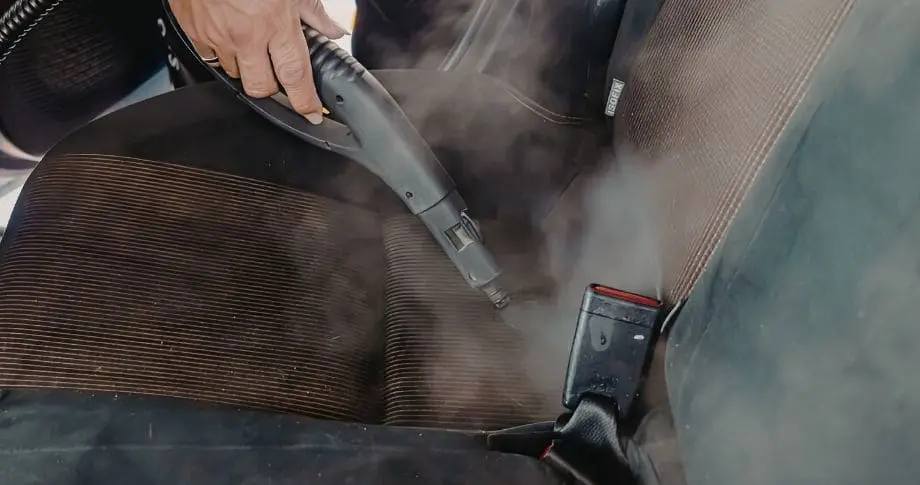
Car seats are made from a range of materials. Some of them include leather, fabric, vinyl or synthetic leather. Each of them responds differently to prolonged heat exposure. The following tables indicate how extreme heat affects each car’s upholstery material:
| Seat Material | Common Heat Effects | Recommended Care |
|---|---|---|
| Leather | Drying, stiffening and cracking as natural oils evaporate |
Apply leather conditioner regularly and limit direct sun exposure |
| Fabric | Fading and fibre deterioration from ultraviolet exposure |
Vacuum frequently and use fabric protectants |
| Vinyl or synthetic leather | Surface hardening and colour fading | Clean regularly and apply UV protectant products |
Signs Your Vehicle Needs Professional Car Seat Cleaning
One of the most feasible steps to prevent your car’s seats from getting damaged is to check them regularly for hints of wear and tear. You can spot the signs of damage if the seats are:
1. Losing colour and showing patches of a different colour on the fabric.
2. Hardening and cracking on the leather seat surfaces.
3. Exhibiting smells that are trapped in the fabric seats.
4. Leaving stains even after cleaning.
5. Loose stitching or worn seat bolsters.
Car Seat Care Tips from Extreme Heat and Sun Exposure
Protecting car seats from damage entails various actions, such as using a professional car seat shampoo service and carrying out some car safety habits. Such steps help in limiting the heat exposure and preserving the integrity of upholstery materials.
1. Park Strategically To Reduce Sun Exposure
Parking spots highly influence the interior temperatures as well as upholstery wear and tear. This is what you can do to park your car safely:
- If you can, park your car in the shaded area.
- Use garages or roofed spaces for parking.
- Park the car in such a way that the seats don’t get direct sunlight.
2. Use Protective Accessories
There are multiple accessories that can lessen the heat and UV radiation inside the car to a great extent. A few of the protective accessories are:
- Windscreen sunshades
- Side window covers
- Seat covers
- Steering wheel covers
- Dashboard covers
3. Apply UV-protective Conditioners
Leather and vinyl upholstery require conditioning to maintain flexibility and resilience against environmental stress. The main benefits of using car seat shampoo cleaning services include:
- Restores natural oils in leather surfaces
- Prevents dryness and cracking
- Protects upholstery from UV radiation
- Preserves colour and texture
Also Read: Top Benefits of Car Seat Shampoo Cleaning You Didn’t Know
Car Seat Care Tips for Routine Cleaning and Maintenance
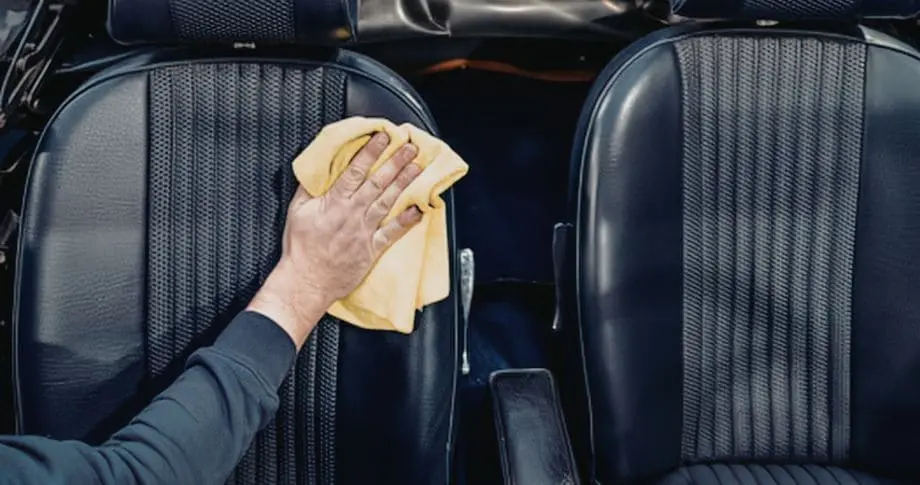
Once your car gets cleaned through car wash detailing services, consistently clean it to reduce the chances of dust, dirt and other pollutants accumulation. Recommended cleaning practices include:
- Vacuum your seats each week to get rid of dust, grit, and particles.
- Take care of spills right away so stains don’t become permanent.
- Select upholstery cleaners that are made only for car interiors.
- Stay away from strong chemicals that harm both fibres and colours.
- Schedule professional interior detailing periodically.
When dirt particles get trapped in the fibres of the seat, they can harden if exposed to heat, which will eventually cause the stains to be permanent and the material to be damaged. Regular vehicle cleaning from car detailing Perth WA prevents dirt accumulation and helps in maintaining a hygienic vehicle interior.
Additional Preventive Measures
Beyond regular cleaning and protective accessories, several preventive strategies help preserve seat materials and interior quality.
1. Window Tinting
A premium window tint is able to significantly limit sun rays entering the vehicle cabin as well as block ultraviolet rays. The main advantages of window tinting from auto detailing services Perth include:
- Cooler vehicle interiors
- Less UV damage to the upholstery
- Less fading and wear of the seat materials
Car tint films extensively reduce the amount of heat radiation that can enter the cabin. It protects the interior components, such as seats, dashboards and trims.
2. Use Car Covers
Vehicles parked outdoors for extended periods lose their gloss due to excessive sunlight and dust. Besides using the car seat shampoo service Perth, car covers have the following advantages as well:
- Less exposure to ultraviolet rays.
- A decrease in the temperature of the interiors on hot days.
- Protection from dust, sand and debris.
Moreover, reflective car covers can decrease the amount of solar radiation getting into the vehicle and thus prevent the interior from becoming extremely hot.
3. Maintain Interior Hygiene
Maintaining cleanliness inside the vehicle helps to protect upholstery materials from damage. Practical hygiene habits include:
- Avoid leaving food or liquid containers inside the vehicle.
- Remove items that may melt or stain seats when exposed to heat.
- Open windows occasionally to allow ventilation and reduce moisture buildup.
Final Thoughts
In Australia’s harsh climate, it is vital that you take care of your car seats in order to retain their comfort, looks and durability. Besides cleaning your car seats regularly and choosing your parking spot wisely, you can also use protective accessories and UV conditioners to lessen the heat and sun exposure. Proper vehicle interior maintenance, combined with professional auto detailing services, ensures that your car seats stay in great shape for a long time.
FAQ’s
1. Are light-coloured seats better for Australian conditions?
Answer 1:
Lighter colours tend to absorb less heat, which can help reduce surface temperatures. However, they may show stains and dust more easily than darker interiors.
2. How often should I professionally detail my car seats in hot climates?
Answer 2:
In regions with hot climates, vehicle cleaning from a car detailing company every 4-6 months helps maintain material strength and hygiene. More frequent service may be beneficial if the vehicle is parked outdoors daily.
3. How can I reduce seat fading without changing my parking location?
Answer 3:
Installing quality window films and using removable sunshades can significantly limit light exposure. These options provide protection even when shade is unavailable.
4. Is it safe to use household cleaning products on car seats?
Answer 4:
Many household cleaners contain chemicals that may weaken dyes or protective coatings. Using automotive-specific products helps ensure material compatibility and longevity.
5. Does cabin temperature affect the seat foam underneath the upholstery?
Answer 5:
Yes, prolonged heat can gradually reduce foam resilience, leading to less support and comfort. To prevent this outcome, use vehicle detailing services, as it completely removes debris and stains from your car.