Hand Wash vs. Automatic Car Wash: Which is Better?
Hand wash vs automatic car wash often echoes in car enthusiasts and business owners’ minds. There are many things to consider before looking for the answer, such as efficiency, cost, paint protection, etc. Both these methods of washing car has their own advantage, but knowing the best car washing method depends on your priority and requirements.
Washing Process and Tools
The first step in selecting a car wash service in Perth is understanding the type of tools and techniques that are implemented with each. Automatic and Hand-washing methods always require specialized equipment.
Hand Wash
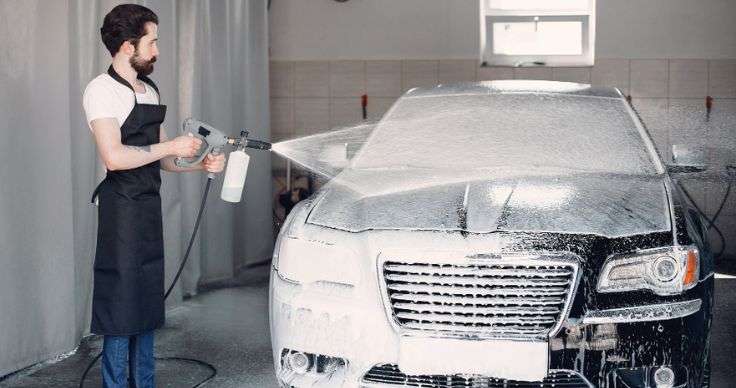
Some common tools used in a hand car wash include buckets, microfiber towels, soft sponges, specialized soaps, and water. While the work is manual, it allows for a cleaning regime to accommodate all aspects of the car. Hand wash benefits include closer inspection of wheels, undercarriage, and tight crevices that automatic systems may miss.
Automatic Car Wash
Automatic processes use rotating brushes, high-pressure water jets, and powerful dryers to clean cars. Vehicles travel through a wash tunnel where these tools combine to quickly clean the exterior. Touchless car wash systems use water jets and detergents without physical contact. While automatic car washes offer speed and convenience, they may lack the thoroughness of hand washing.
Speed and Efficiency
Speed in comparison hand wash vs automatic car wash reveals that speed is the most obvious difference. With the ability to handle a high volume of vehicles in less time, automatic car washes are increasingly popular for businesses and busy individuals.
Hand Wash
Hand washes take more time due to their detailed nature, with each part cleaned individually by hand. However, customers who value a thorough cleaning and extra care will find the additional time worth it. Manual hand washing allows proper inspection and attention to detail that automatic systems might miss.
Automatic Car Wash
Automatic car washes thrive in speed. They can handle more cars in a short period and are perfect for high-traffic areas or urban streets with limited space. This method also works for those needing a quick wash while running errands. However, in pursuit of speed, some cleaning quality might be sacrificed.
Precision and Attention to Detail
The advantages of hand washing become clear when precision is considered. Since a person handles every component of the cleaning process, hand washing allows flexibility to adjust to a car’s specific needs.
Hand Wash
Hand washes excel in attention to detail, with workers meticulously cleaning every part of the car, including delicate trims and wheels. Workers can tailor their techniques to the car’s condition and remove stubborn grime. However, issues like water spots can arise if proper drying methods are not followed.
Automatic Car Wash
Automatic car washes offer consistency, but they may miss intricate areas. The standard washing process may not suit every car’s unique curves or crevices. However, modern systems have impressive dryers that reduce water spots, often leaving a spotless finish. Yet, the automatic car wash pros and cons end with missed spots, particularly for cars needing extra care.
Safety and Potential Damage
One of the major issues that people have when comparing hand wash and automatic car wash is, which is better for the car paint. But of course, every method has its own risks – while hand washing is considered to be kind of softer on the car paint job.
Hand Wash
Hand washing is mostly perceived as safer to baby or luxury cars, that is, those with certain fragile parts. Appropriate amount of pressure is applied by the workers, so that no damages occur on the more delicate parts. But of course, inaccurate methods—that involve the use of contaminated towels—can cause abrasives, scratches or swirls on the exterior layer of the car. However, for those seeking car wash for paint protection, hand washing gives the doer a measure of control over the degree of pressure exerted.
Automatic Car Wash
The primary danger of automatic car wash systems specifically brush-washing automatic car wash systems is paint damage . Certain types of dirt or debris can get trapped into the brushes and gradually cause abrasion onto the surface. Contemporary systems have attempted to address this risk either by padding the surface with softer materials or using touchless tech. However, painted cars that have chipped, or any areas that have been previously weakened may be more susceptible to damage while in the automatic wash.
Cost Considerations
Price forms another criterion when selecting the most effective car washing technique since hand washes and automatic wash makes have their own strengths and weaknesses regarding money.
Hand Wash
Manual washing services are always more costly than automatic vehicle washing because they require the effort of workers. Professional hand washes can cost as low as $20 or as high as $50 based on the kind and place of service. But the additional amount is worth the expense if you are in search of something more than the basic car wash advantages.
Automatic Car Wash
Tunnels are cheaper for the most part and base prices range from about $5 to $10. Nevertheless, extra services, which may include waxing or undercarriage cleaning, may make the price astronomically high. If you have little time and you want to save money, while not being very particular about the detail of the cleaning done, automatic washes are undoubtedly an ideal solution as far as pricing is concerned.
Environmental Impact
External factors have emerged as critical in the choice between hand wash or automatic wash. The environmental concerns in any of the methods being employed include; Water usage and chemical runoff.
Hand Wash
Hand washing cars are particularly considered to use more water than automatic washing, especially when done at back or at home with no conservation measures. The high pressure rinse alone can require between 40 to 140 gallons of water which is a standard hand wash. Instead, this can result in pollution of the drainage system, and in turn pollute the environment with chemicals.
Automatic Car Wash
The latest automatic car washing systems are developed to be more friendly with the environment. Most centres employ the technique of reusing water, and hence the consumptions per car are as low as 8 to 70 gallons. Finally, car wash facilities that are professional have wastewater treatment system that does not allow pollutive issue up to the water supply.
Conclusion: Which Car Washing Method is Best?
The answer of which is better hand wash or automatic wash depends on what you value the most. If you are extremely concerned about your car’s paint, and want a personalized cleaning experience, hand was can be more convenient for you. On the other hand, if you value speed and convenience automatic wash is the best car washing experience for you.
By understanding the automatic car wash pros and cons and the hand car wash benefits, you can make an informed decision that keeps your car looking its best for years to come.